


01
Building a Personal Knowledge System
Keeping organized notes, recording questions, and summarizing important discoveries can help learners revisit information when needed. Over time, these records can become a useful collection of personal knowledge.

02
Learning Through Practical Experiences
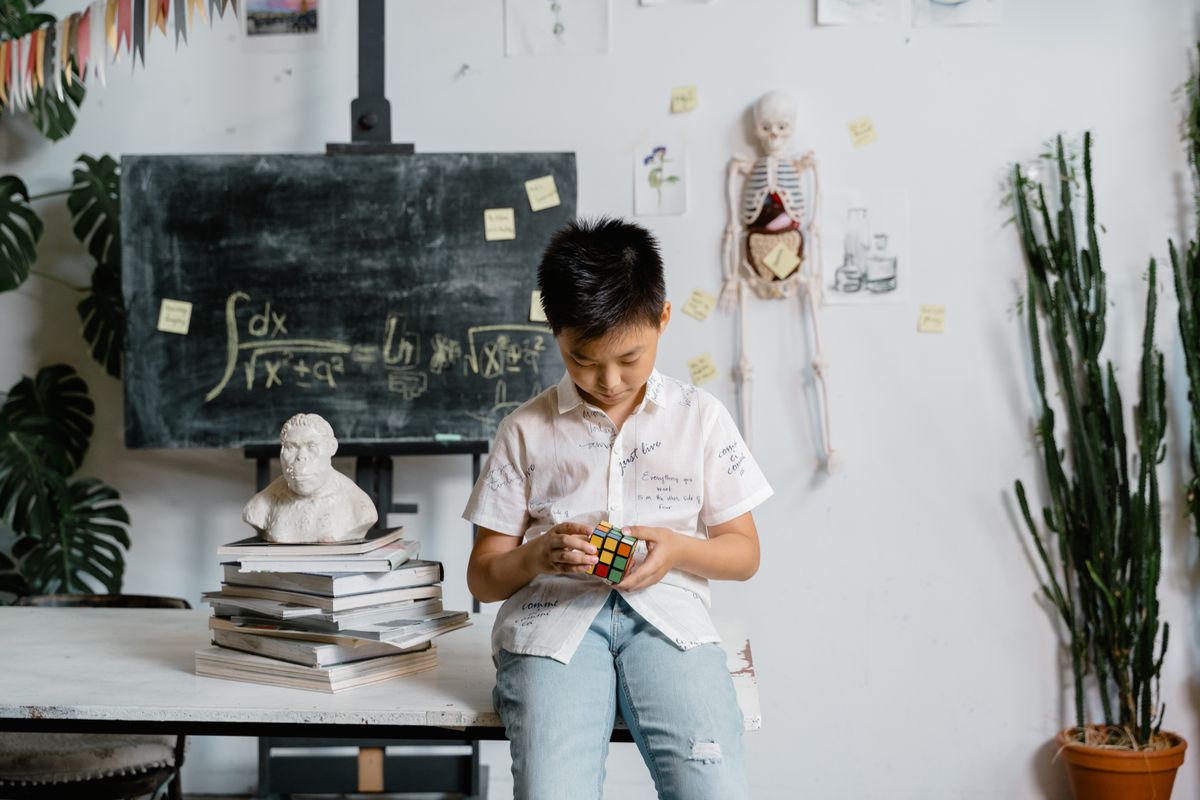
Experiments, creative projects, discussions, and real-world observations allow people to explore concepts beyond written explanations. Practical experiences can help connect theoretical information with everyday applications.

03
Improving Focus and Concentration
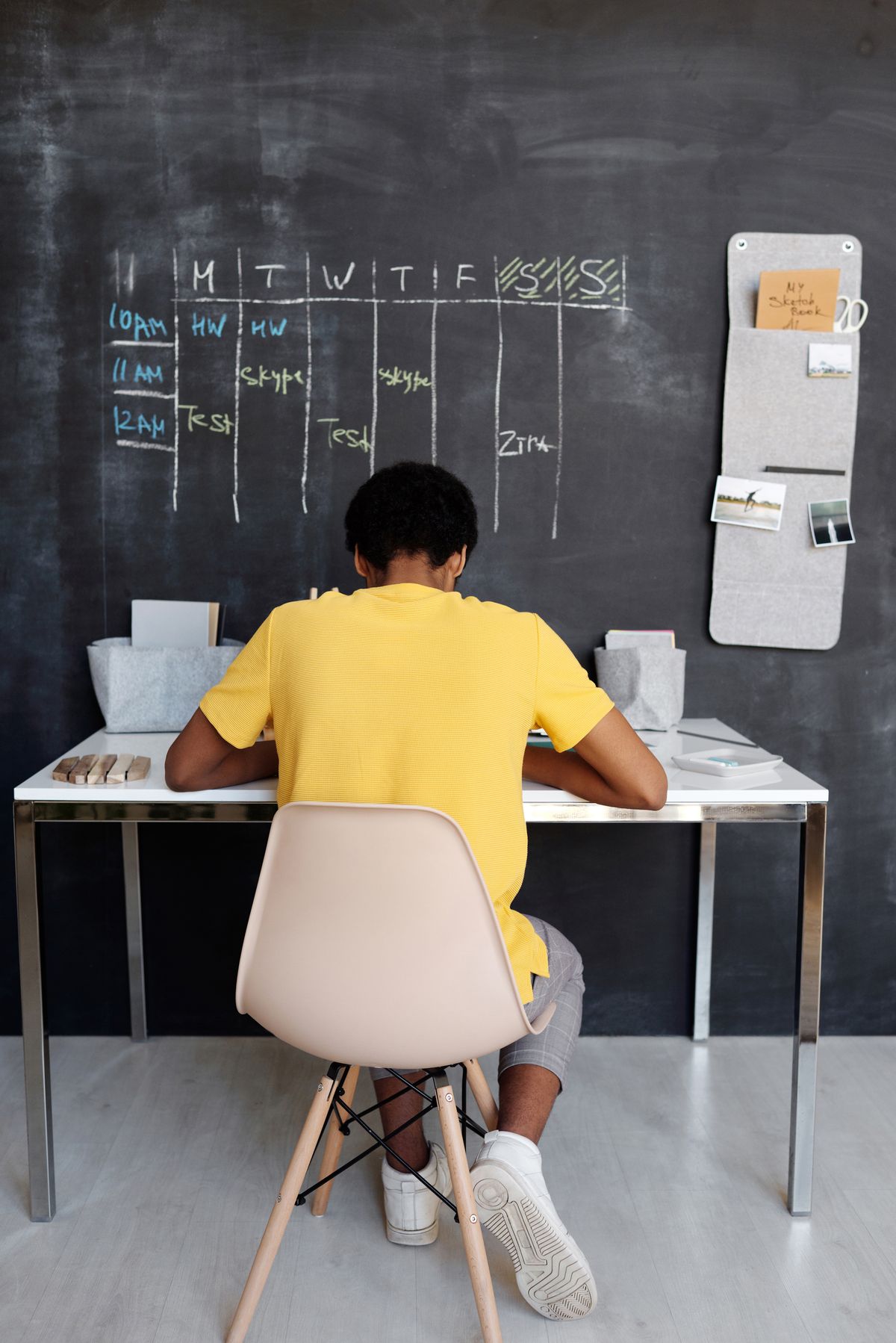
A suitable study environment, clearly defined tasks, and planned breaks can make learning sessions more manageable. Reducing unnecessary distractions may also help learners devote greater attention to challenging material.

04
Developing Information Literacy
Research involves more than finding an answer. It also requires evaluating the source, checking publication details, examining supporting evidence, and recognizing when information may be incomplete or outdated.



05
Learning from Mistakes
Errors can reveal gaps in understanding and highlight areas that need additional attention. Reviewing what went wrong and trying a different approach can turn difficult experiences into useful learning opportunities.
Share Your Questions and Ideas
If there is a subject you would like to understand better, you can contact us through our website contact form.