
An Independent Educational Resource
Welcome to Get Info Touch
Explore Ideas. Understand More. Keep Growing.
Get Info Touch is a space for discovering knowledge, exploring educational ideas, and understanding the world through learning. Education is not limited to classrooms or examinations. It develops through curiosity, observation, experience, and the willingness to ask questions.
Our website explores different aspects of education, from understanding how people learn to developing practical skills for everyday life. We aim to present educational topics in a straightforward and engaging manner so readers can explore new subjects at their own pace.
Whether you are interested in academic knowledge, creative thinking, learning technology, or personal development, Get Info Touch offers ideas that encourage exploration and independent thinking.
Areas of Learning
Discover Different Areas of Learning

Academic Exploration
Every subject offers a different way to understand the world. Explore educational concepts, learning techniques, subject-based knowledge, and approaches that make studying more meaningful.
Educational Insights →
Learning Beyond the Classroom
Experiences, conversations, hobbies, and everyday challenges can introduce valuable lessons. Discover how observation and practical activities contribute to understanding and personal growth.
Lifelong Learning →
Technology and Modern Education
Digital tools continue to change how people access and share knowledge. Learn about virtual learning environments, online research, digital literacy, and the responsible use of educational technology.
Digital Learning →
Creative and Analytical Thinking
Learning involves more than remembering information. Explore how curiosity, imagination, reasoning, and problem-solving can help people examine ideas and approach challenges from different perspectives.
Educational Articles →
Skills for Everyday Life
Communication, organization, decision-making, and time management are useful skills that can develop through continuous learning and regular practice.
Student Development →
Educational Insights
Understanding How Learning Happens
Learning is an active process that involves attention, practice, reflection, and the gradual development of understanding. Connecting unfamiliar ideas with existing knowledge can help make new information easier to understand.
Learners can explore different techniques, such as discussing a concept, drawing a diagram, writing a summary, or applying an idea to a practical situation. Trying different methods can reveal which approaches are most helpful for a particular subject.
The Value of Asking Questions
Questions encourage investigation and help uncover connections between ideas. Instead of accepting every statement immediately, learners can examine evidence, compare explanations, and consider alternative viewpoints.
Developing this habit can strengthen reasoning and encourage a deeper understanding of academic subjects and everyday situations.
Read More InsightsLearning Resources
Develop Your Own Learning Approach

Building a Personal Knowledge System
Keeping organized notes, recording questions, and summarizing important discoveries can help learners revisit information when needed. Over time, these records can become a useful collection of personal knowledge.

Learning Through Practical Experiences
Experiments, creative projects, discussions, and real-world observations allow people to explore concepts beyond written explanations. Practical experiences can help connect theoretical information with everyday applications.

Improving Focus and Concentration
A suitable study environment, clearly defined tasks, and planned breaks can make learning sessions more manageable. Reducing unnecessary distractions may also help learners devote greater attention to challenging material.

Developing Information Literacy
Research involves more than finding an answer. It also requires evaluating the source, checking publication details, examining supporting evidence, and recognizing when information may be incomplete or outdated.

Learning from Mistakes
Errors can reveal gaps in understanding and highlight areas that need additional attention. Reviewing what went wrong and trying a different approach can turn difficult experiences into useful learning opportunities.
Student Development
Growing Beyond Academic Results
Education also supports the development of qualities that are useful throughout life. Responsibility, patience, collaboration, and adaptability can grow through classroom activities, group projects, independent assignments, and everyday experiences.
Students can strengthen these abilities by setting realistic goals, participating in discussions, reflecting on feedback, and learning to manage their responsibilities. Progress may happen gradually, and different learners may develop skills at different rates.
Responsibility
Patience
Collaboration
Adaptability
Realistic goals
Reflection
The goal is not simply to complete an assignment but to understand what the experience teaches and how that knowledge can be used in future situations.
Student Development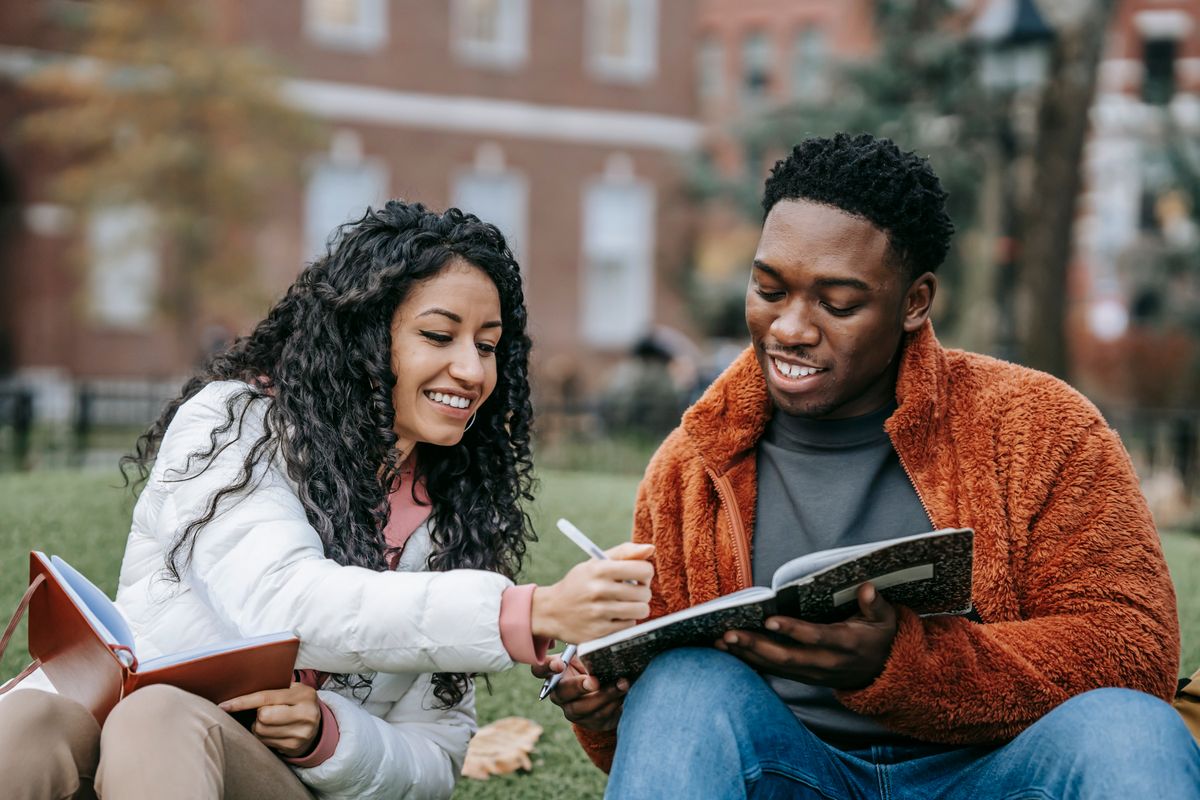
Digital Learning and Research
Making Thoughtful Use of Online Information
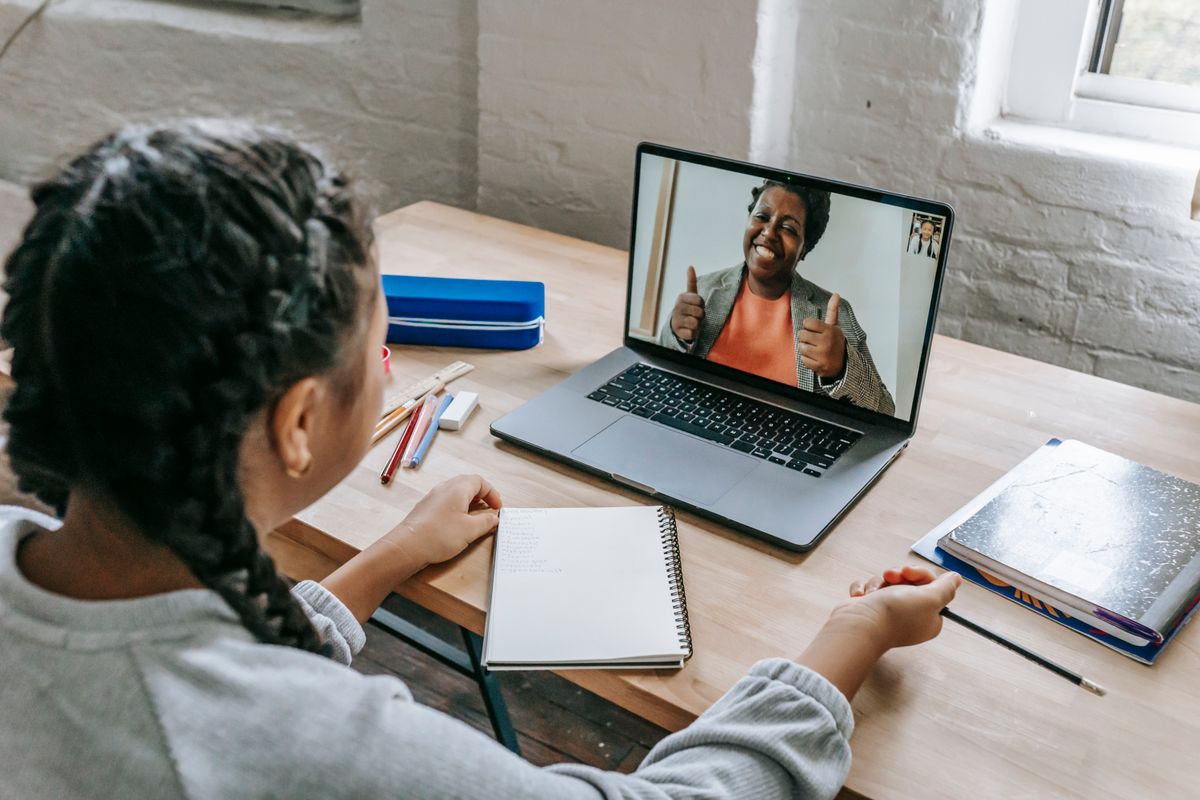
Online educational resources offer opportunities to explore subjects beyond traditional learning materials. Articles, digital libraries, recorded lectures, and educational discussions can introduce new perspectives and help readers investigate specific questions.
However, responsible research requires careful judgment. Readers should examine the original source whenever possible, compare claims against independent references, and check whether the information is current.
Respecting intellectual property, protecting personal details, and communicating appropriately online are equally important parts of developing digital knowledge.
Digital Learning
Lifelong Learning
Every Experience Can Teach Something
Learning continues through different stages of life. A new responsibility may develop problem-solving skills, a conversation may introduce an unfamiliar viewpoint, and a personal interest may inspire deeper research into an entirely new subject.
Lifelong learning does not require mastering everything at once. It can begin with a single question, a few pages of reading, or a willingness to explore an unfamiliar idea.
By remaining open to new information and reviewing existing assumptions, people can continue expanding their understanding and adapting to changing circumstances.
Lifelong LearningEducational Articles
Ideas Worth Exploring
The Science of Curiosity
Explore why questions encourage investigation and how curiosity can lead to deeper learning.

How Knowledge Connects Across Subjects
Discover how ideas from science, language, mathematics, history, and the arts can complement one another.

Learning to Think Independently
Understand how evidence, reflection, and open-mindedness contribute to informed conclusions.

The Role of Creativity in Education
Explore how imagination and experimentation can support understanding and new ways of solving problems.

From Information to Understanding
Learn how organizing, comparing, and applying information can help turn isolated facts into meaningful knowledge.

Building a Habit of Reading
Discover ways to explore different genres, identify useful ideas, and develop a consistent reading routine.
FAQ
Frequently Asked Questions
What can I explore on Get Info Touch?
You can explore educational concepts, study approaches, research skills, digital learning, critical thinking, creativity, and personal development.
Is the website intended only for students?
No. The content is intended for anyone interested in knowledge and learning, including educators, parents, working professionals, and independent learners.
How can I use the educational articles?
Use them as starting points for exploring a subject, identifying questions, and finding additional references. For detailed academic work, consult appropriate textbooks and authoritative sources.
Does Get Info Touch cover modern learning methods?
Yes. Topics may include digital education, independent research, practical learning activities, information evaluation, and different approaches to developing knowledge.
Why is continuous learning important?
Continuous learning helps people explore unfamiliar subjects, reconsider existing ideas, and develop knowledge that can be useful in personal, academic, and professional situations.

Share Your Questions and Ideas
Get Info Touch welcomes feedback, educational topic suggestions, and general inquiries from readers. If there is a subject you would like to understand better, you can contact us through our website contact form.
We value thoughtful questions and suggestions that encourage further exploration of educational topics.
Contact Us